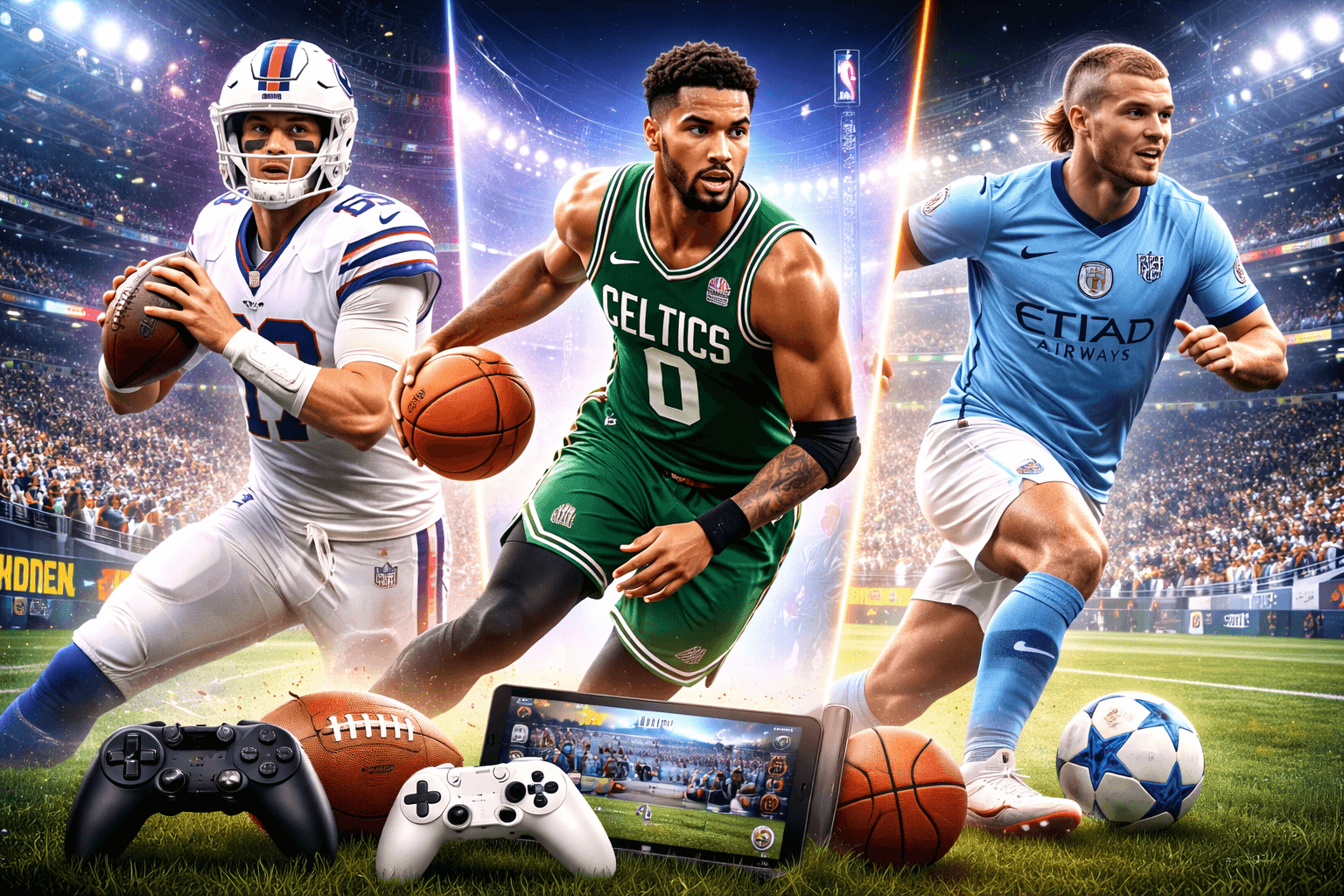
Sports Gaming Communities Want More Than Annual Updates
Sports gaming communities are becoming more vocal about what they want from modern sports titles, and recent discussions surrounding Madden 26, NBA 2K26, and EA FC 26 reveal a growing industry-wide trend.
Players no longer simply expect roster updates and visual improvements. Instead, they are demanding smarter AI systems, deeper franchise experiences, stronger online stability, and gameplay mechanics that feel genuinely different year to year.
That shift is starting to reshape how publishers approach sports gaming development.
Franchise Modes Are Becoming a Major Focus Again
For years, sports gaming discussions centered heavily around Ultimate Team modes and monetized online experiences. While those systems remain incredibly profitable, communities are increasingly asking for stronger offline and franchise experiences.
Many longtime players continue comparing modern sports titles to older games that emphasized deeper simulation systems and long-term team management.
That nostalgia has become a major talking point across gaming forums and social media. Players want franchise modes that feel immersive, dynamic, and rewarding instead of secondary additions behind online monetization systems.
Gameplay Authenticity Matters More Than Graphics
Visual realism alone is no longer enough to impress competitive sports gaming communities.
Players now expect smarter defensive AI, better player movement systems, more realistic momentum physics, and gameplay that rewards strategy rather than repetitive exploits. This trend has become especially noticeable in discussions around Madden 26 and NBA 2K26.
Communities are increasingly praising gameplay systems that feel skill-based and less animation-dependent.
That demand for authenticity is pushing sports developers toward deeper gameplay refinement instead of purely graphical upgrades.
Live-Service Pressure Is Changing Sports Games
Another major trend shaping sports gaming is the rise of live-service expectations. Seasonal updates, battle passes, timed rewards, and ongoing content support now play a major role in keeping players engaged long after launch.
NBA 2K26’s Season 7 rollout reflects that direction clearly, while EA FC 26 continues evolving Ultimate Team content strategies around year-round engagement.
The challenge for publishers moving forward will be balancing live-service monetization with meaningful gameplay innovation.
Communities are becoming increasingly critical when updates feel designed purely around retention metrics rather than improving the overall experience.
Final Thoughts
The conversation around sports gaming in 2026 is changing rapidly. Players still love franchises like Madden 26, NBA 2K26, and EA FC 26, but expectations are much higher than they were a decade ago.
Communities now want deeper gameplay systems, stronger franchise immersion, improved online performance, and live-service support that actually enhances the game rather than distracting from it.
The sports games that adapt to those expectations will likely define the next generation of competitive gaming.
Explore more sports gaming news and updates on the 1v1Me blog
Author:
Jordan Kline
Jordan covers esports culture, gaming news, and how competitive scenes evolve across titles. He writes breakdowns that bridge mainstream gaming trends with the creator-driven world of 1v1Me.

15,000+ Ratings
